Introduction
In the landscape of nutritional support, enteral and parenteral nutrition stand as 2 primary methods for providing essential nutrients to patients who can not meet their nutritional requirements via standard oral consumption. This write-up delves into the distinctions between these 2 kinds of nutrition, clarifying their definitions, applications, advantages, and training viewpoints. With an expanding emphasis on tailored nutritional assistance, comprehending these differences is important for healthcare specialists, particularly those associated with nursing and allied health.
Understanding the Differences In between Enteral and Parenteral Nutrition: A Training Perspective
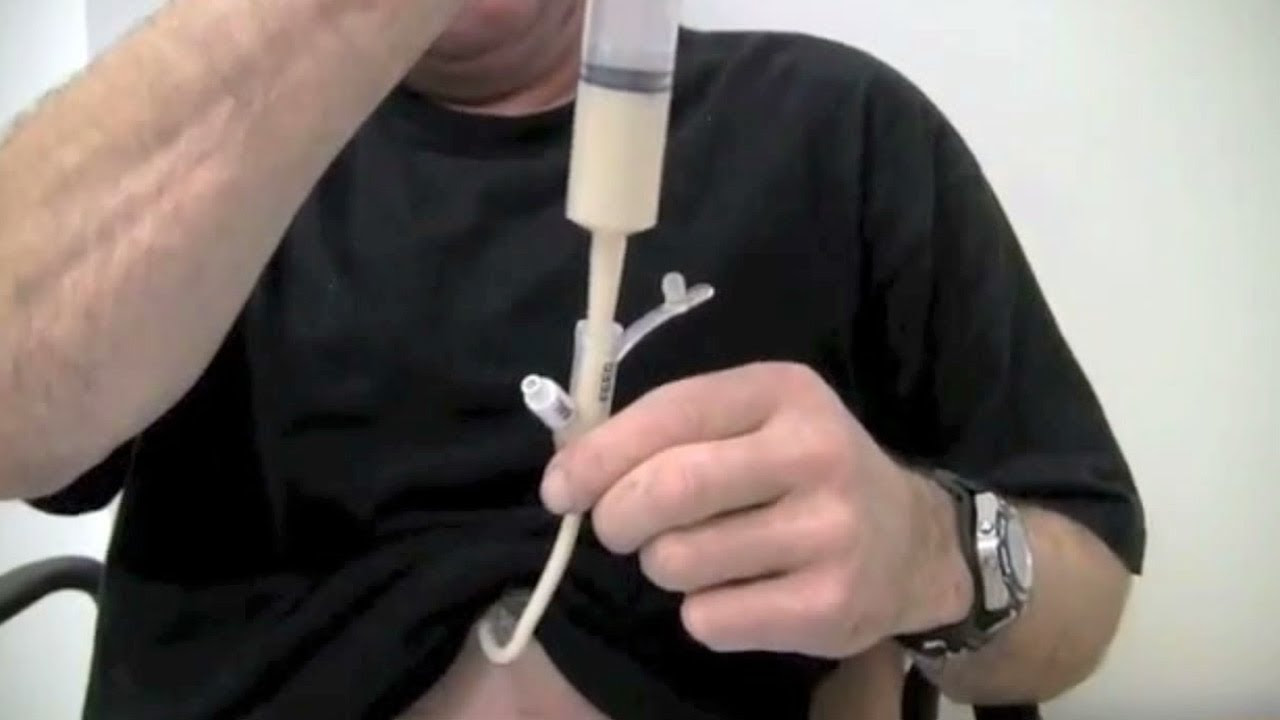
Enteral nourishment (EN) refers to the shipment of nutrients straight into the gastrointestinal system, typically with a feeding tube such as a PEG (Percutaneous Endoscopic Gastrostomy) tube. In contrast, parenteral nourishment (PN) entails administering nutrients intravenously, bypassing the digestion system entirely. This essential distinction influences everything from person option to training needs for medical care providers.
What is Enteral Nutrition?
Enteral nutrition is created for people that have working digestion systems yet are not able to take in food orally as a result of clinical problems such as stroke, neurological problems, or dysphagia. EN can be delivered using various techniques:
- Oral Supplements: Nutritional drinks that supplement meals. Feeding Tubes: Consisting of nasogastric tubes (NG), gastrostomy tubes (PEG), and jejunostomy tubes.
What is Parenteral Nutrition?
Parenteral nourishment satisfies people that can not use their gastrointestinal tracts efficiently as a result of problems like bowel blockage or severe pancreatitis. PN offers full nutritional assistance via:
- Total Parenteral Nutrition (TPN): An intricate mix of carbs, proteins, fats, vitamins, and minerals delivered directly right into the bloodstream using central venous access.
The Relevance of Training in Nutritional Support
As health care comes to be progressively specialized, training protocols are crucial in ensuring risk-free and efficient administration of both enteral and parenteral nutrition. Specialized programs like the NDIS PEG Feeding Training and enteral feeding support programs outfit nurses and assistance employees with essential skills.
Enteral Feeding Support Course Overview
This training Go to the website course focuses on:
- Assessing patient demands for enteral feeding. Learning about different sorts of enteral formulas. Practical abilities for tube insertion and maintenance.
PEG Training for Nurses
Nurses play a vital role in handling clients with PEG tubes. Training includes:
- Understanding indicators for PEG placement. Techniques for secure tube care. Recognizing issues such as infections or blockages.
Comparative Analysis of Enteral vs. Parenteral Nutrition
|Element|Enteral Nutrition|Parenteral Nourishment|| -------------------------------|--------------------------------------|---------------------------------------|| Route|Intestinal tract|Intravenous|| Indications|Functional GI tract|Non-functional GI system|| Nutrient structure|Entire foods/formula|Customized TPN solution|| Risk aspects|Tube-related problems|Infection threat from IV gain access to|| Expense|Typically reduced|Higher due to intricate formulas|
Benefits of Enteral Feeding over Parenteral Feeding
Preservation of Gut Integrity: EN maintains digestive tract feature by promoting mucosal integrity. Lower Infection Risks: Contrasted to PN, EN has a decreased risk of infections since it does not entail blood vessel access. Cost-effectiveness: EN typically costs less than PN because of less necessary resources.When is Parenteral Nutrition Necessary?
While enteric paths are liked when possible, PN becomes necessary in circumstances such as:
- Severe malabsorption syndromes. Inflammatory digestive tract illness exacerbations. Short digestive tract disorder following surgical resections.
Key Parts of Effective Enteral Feeding Training Programs
Training programs should incorporate detailed educational programs covering multiple facets:
1. Composition and Physiology Pertaining To Digestive System Health
Understanding just how the intestinal system functions ensures experts can make informed choices pertaining to feeding methods.
2. Assessment Skills
Healthcare providers need training in examining indicators that determine whether a client requires enteric or parenteric feeding options.
3. Tube Management Techniques
Learning correct methods for insertion and management minimizes dangers associated with feeding tubes.
4. Monitoring Patient Progress
Regular monitoring helps review nutritional status while readjusting plans based upon private responses.
FAQs Regarding Enteral and Parenteral Nutrition
1. What is PEG Feeding?
PEG feeding refers specifically to supplying nutrients via a percutaneous endoscopic gastrostomy tube put directly right into the stomach.

2. When should I consider using an enteral feed?
Consider making use of an enteric feed when a person has a functional gastrointestinal tract yet can not eat food orally due to various wellness issues.
3. What are some usual difficulties related to PEG feeds?
Common complications include infection at the insertion website, tube dislodgment or blockage, and desire pneumonia if feeds are not handled correctly.

4. How much time can a specific continue to be on parenteral nutrition?
Patients can remain on parenteral nourishment forever if closely monitored; however, long-term use might lead to problems like liver damages or nutrient deficiencies.
5. Can enterally fed individuals also obtain oral intake?
Yes! Lots of people may still consume small amounts orally if they have some swallowing capability; this need to constantly be analyzed individually.
6. What accreditations are readily available for specialists dealing with PEG feeds?
Various programs provide certification in PEG feeding techniques including peg feeding training courses specific to Australia that give essential understanding and skills.
Conclusion
Understanding the distinctions in between enteral and parenteral nutrition from a training perspective is vital for health care experts who aim to supply ideal care for their people calling for dietary support. Both methods have distinctive applications which highlight their unique roles within scientific settings-- guaranteeing that regardless of the technique made use of, clients get secure and effective nutritional therapy customized to their specific needs.